
Your physical business assets—ranging from the headquarters where your employees spend their days to the vehicles that navigate city streets—serve as silent ambassadors for your brand. Long before a potential client shakes your hand or reads a proposal, they have already formed an impression based on the state of your property and the appearance of your fleet. Is your building facade welcoming and modern? Does your operational layout reflect a forward-thinking, efficient culture? Are your company vehicles pristine and recognizable, or are they showing signs of neglect?
Over time, the natural wear and tear on facilities and vehicles can silently degrade operational efficiency, lower employee morale, and negatively impact customer perception. What begins as a minor aesthetic issue, like peeling paint or a faded logo, can quickly evolve into systemic problems that drain your operational budget. Deferred maintenance is a hidden tax on your business. Ignoring aging infrastructure leads to emergency repair costs, higher energy bills, and increased liability risks.
Conversely, a systematic, strategic approach to upgrading your physical assets can yield a massive return on investment. Upgrading is not just about aesthetics; it is about creating a safer environment, ensuring regulatory compliance, and building a cohesive brand identity that commands respect in the marketplace. Whether you manage a boutique retail storefront, a sprawling corporate campus, or an industrial warehousing operation, periodic reinvestment in your physical footprint is non-negotiable for sustained growth.
This comprehensive guide will walk you through a systematic approach to revitalizing your enterprise. We will cover how to assess and fortify your building’s exterior, optimize traffic flow and street-level branding, reconfigure interior layouts for maximum productivity, modernize your critical power infrastructure, and maximize the branding and reliability of your mobile assets. By breaking these upgrades down into actionable phases, you can prioritize investments that will deliver the highest immediate impact while setting your business up for long-term success.
Assess and Fortify Your Building’s Exterior Shell
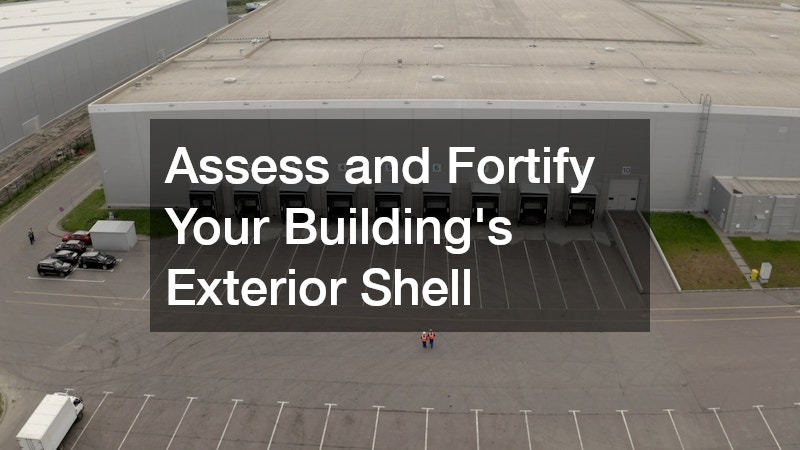
Before investing capital into cosmetic interior upgrades or new office furniture, you must ensure that the building’s structural envelope is entirely secure. The exterior shell of your facility is the first line of defense against the elements, pests, and energy loss. A compromised exterior will eventually ruin any interior improvements you make, turning a simple upgrade into a costly remediation project. Therefore, a top-down approach is the most financially prudent way to begin your facility upgrade.
Conduct a Thorough Weatherproofing Audit
The top-down structural integrity of your building must be your first priority. Water intrusion is the single most destructive force to commercial real estate. It can lead to mold proliferation, ruined inventory, compromised electrical systems, and degraded structural supports.
-
Thermal Imaging Inspections: Utilize infrared thermography to detect trapped moisture beneath the roofing membrane and identify areas where costly conditioned air is escaping.
-
Flashing and Sealant Checks: Inspect the flashing around HVAC units, skylights, and parapet walls. These transition points are highly susceptible to expansion and contraction, leading to sealant failure over time.
-
Gutter and Drainage Clearance: Ensure that all scuppers, downspouts, and internal drains are free of debris. Standing water on a flat roof adds immense structural weight and accelerates material degradation.
Addressing these issues proactively prevents catastrophic failures during severe weather events. To properly evaluate the lifecycle of your roofing system and to explore modern energy-saving options like reflective elastomeric coatings, it is highly recommended to consult with experienced commercial roofers who can perform a comprehensive diagnostic check and provide a long-term maintenance schedule.
Remediate Structural Wear and Tear
As you move down from the roofline, the facade of your building requires equal attention. The exterior walls communicate your business’s stability and professionalism.
-
Masonry and Brickwork: Look for efflorescence (white, powdery deposits), which indicates moisture moving through the brick. Check for spalling, where the surface of the brick flakes off due to freeze-thaw cycles. Repointing the mortar joints is essential to prevent water from infiltrating the wall cavity.
-
Concrete and Stucco: Inspect for hairline cracks that can expand over time. Left unaddressed, moisture will reach the internal rebar, causing it to rust and expand—a process known as “concrete spalling” or “cancer,” which can severely compromise structural safety.
-
Window Glazing and Seals: Drafty windows force your HVAC system to work overtime. Re-caulking exterior windows and upgrading to double or triple-pane low-E glass can drastically reduce your monthly utility overhead.
If your facility operates out of an older or historical structure, standard patching methods may not suffice. It is often necessary to bring in specialists in commercial building restoration to meticulously repair historical wear, clean aging stone without causing damage, and ensure that structural updates meet modern safety codes while preserving the architectural integrity of the property.
Optimize Traffic Flow and Maximize Street-Level Branding
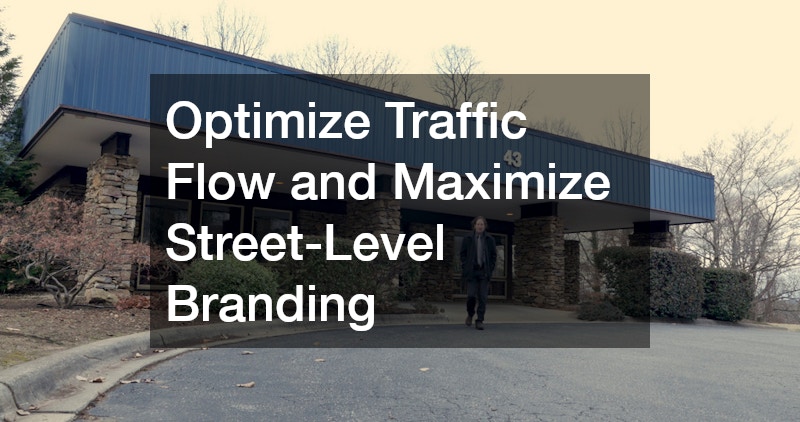
Once the building envelope is secure, your focus should shift to the immediate surrounding environment. The way clients and employees interact with the exterior of your property dictates their first physical experience with your brand. An intuitive, safe, and visually striking approach to your building sets a positive tone before anyone even walks through the front door.
Streamline Client and Employee Access
A poorly maintained exterior entry point creates immense liability risks and broadcasts a message of neglect. The layout of your parking area, the clarity of your pathways, and the condition of the driving surface all require strict attention.
-
Pothole Remediation and Surface Leveling: Potholes and uneven surfaces cause damage to client vehicles and pose severe trip-and-fall hazards for pedestrians. Patching is only a temporary fix; eventually, the sub-base will fail. Investing in comprehensive commercial parking lot resurfacing provides a smooth, durable surface that protects vehicles and dramatically improves the curb appeal of your property.
-
Traffic Flow and Directional Planning: Analyze the ingress and egress points of your lot. Are delivery trucks creating bottlenecks for passenger vehicles? Consider redesigning the layout to include designated delivery zones, clearly marked one-way traffic lanes, and angled parking to maximize space and safety.
-
ADA Compliance Verification: Ensure that your disabled parking spaces, access aisles, and curb ramps meet all current Americans with Disabilities Act requirements. This includes proper sloping, correct stall dimensions, and unhindered pathways to the main entrance.
Overhaul Your Wayfinding and Visibility
Even the most beautifully restored building will fail to attract customers if they cannot find it, or if the exterior branding looks dated. Wayfinding and street-level visibility rely heavily on the psychology of design, contrast, and illumination.
-
Audit Current Sightlines: Drive past your business from multiple directions at varying speeds. Is your primary branding obscured by overgrown landscaping, utility poles, or neighboring structures?
-
Upgrade to High-Efficiency Illumination: Outdated neon or fluorescent fixtures are prone to flickering and consume excessive electricity. Transitioning to LED-illuminated channel letters or backlit halo lighting creates a crisp, modern aesthetic that remains highly visible and professional at night.
-
Implement Comprehensive Campus Wayfinding: If your facility encompasses multiple buildings or complex entry points, confusing navigation will frustrate visitors. Install clear, cohesive directional markers at every decision point.
To achieve a truly modern and cohesive street presence, partner with a fabricator of custom commercial signs to design architectural monuments, pylons, and facade lettering that accurately reflect your brand’s color palette, typography, and corporate identity, ensuring you stand out prominently against the surrounding urban or industrial landscape.
Reconfigure and Refresh Your Interior Layout for Productivity
Stepping inside the facility, the physical environment plays a massive role in operational efficiency and employee well-being. The way a space is physically divided and aesthetically presented directly influences collaboration, focus, and overall morale. As business needs evolve—whether shifting toward hybrid work models, expanding manufacturing lines, or creating more client-facing meeting areas—the interior layout must adapt accordingly.
Adapt Floor Plans for Modern Workflows
The completely open-plan office, once heralded as the ultimate collaborative environment, is increasingly recognized as a source of distraction and noise fatigue. Modern workflows require a balanced ecosystem of spaces: areas for quiet, deep focus, and areas designated for active, noisy collaboration.
-
Acoustic Management: Large, cavernous spaces echo and amplify sound. Introduce acoustic baffles, drop ceilings, and sound-absorbing materials to mitigate noise pollution, which is a leading cause of workplace stress.
-
Flexible Space Division: Reevaluating your square footage might reveal the need to construct new private offices, dedicated zoom-rooms, or secure server closets. Rather than relying on temporary, flimsy dividers, utilizing skilled commercial drywall contractors allows you to quickly erect permanent, sound-dampening partitions and fire-rated walls that completely transform the utility of a large space.
-
Workflow Mapping: In warehousing or manufacturing settings, the physical layout must minimize the distance employees and materials travel. Redesigning floor plans to create logical, linear progressions from receiving to shipping reduces wasted time and decreases the risk of workplace accidents.
Leverage Color Psychology to Boost Morale
Never underestimate the psychological impact of your interior aesthetic. Dull, stained, or clinical environments drain energy and creativity. Color can be used strategically to influence the mood and behavior of those within the space.
-
Strategic Color Application: Use cool tones like muted blues and greens in high-stress departments or focus-heavy zones to promote calmness and concentration. Conversely, incorporate warm tones like subtle yellows or brand-specific oranges in collaborative spaces, breakrooms, and lobbies to stimulate energy, warmth, and conversation.
-
Lighting and Reflectivity: The colors on your walls directly interact with your lighting design. Utilizing paints with higher Light Reflectance Values (LRV) in darker corridors can instantly brighten a space, making it feel larger and more welcoming while reducing the need for harsh artificial lighting.
-
Minimizing Operational Disruption: Redecorating a busy facility can seem daunting due to potential downtime. However, scheduling the work with a professional commercial painting company ensures the use of high-quality, scuff-resistant, and low-VOC (Volatile Organic Compound) materials. This means the work can often be completed during off-hours or weekends without leaving lingering, toxic odors that disrupt your workforce on Monday morning.
Modernize Power Infrastructure and Upgrade High-Traffic Surfaces
Beneath the aesthetic upgrades lies the critical, functional core of your facility. The technological demands of modern business are immense, and older buildings are rarely equipped to handle them. Simultaneously, the physical surfaces that endure the most punishment—your floors—must be upgraded to handle increased foot traffic, heavy machinery, and stringent safety standards.
Future-Proof Your Power and Data Capacity
An outdated electrical grid is more than just an inconvenience; it is a severe fire hazard and a massive bottleneck to business growth. As you integrate more servers, automated machinery, advanced HVAC systems, and employee workstations, your power load increases exponentially.
-
Panel and Breaker Upgrades: Flickering lights, frequently tripped breakers, and reliance on power strips are glaring signs that your electrical panels are overloaded. Upgrading your service capacity ensures clean, uninterrupted power to critical systems.
-
Data and Network Cabling: Upgrading electrical infrastructure is the perfect time to overhaul data cabling. Replacing old Cat5 cables with Cat6 or fiber optics ensures that your internal network speeds can keep pace with your operational demands.
-
Energy Efficiency and Sustainability Integration: Modernizing infrastructure allows you to install smart, automated lighting systems with occupancy sensors, programmable thermostats, and even EV (Electric Vehicle) charging stations in the parking lot.
Because commercial power systems involve three-phase power, high voltage lines, and strict municipal building codes, these upgrades cannot be left to a general handyman. Scheduling comprehensive audits and upgrades with licensed commercial electrician services ensures absolute compliance with fire codes, optimizes your energy consumption, and provides the safe, scalable power foundation your technology requires.
Install Hazard-Resistant, Low-Maintenance Grounding
The ground your employees walk on impacts daily safety, operational noise levels, and long-term maintenance budgets. Worn carpets trap allergens and look unprofessional, while cracked concrete or damaged tile creates dangerous slip-and-fall hazards.
-
Evaluating Traffic Demands: Different zones require vastly different solutions. A showroom requires a high-end aesthetic, while a loading dock demands extreme durability and chemical resistance.
-
Prioritizing Safety and Ergonomics: In areas prone to moisture, such as entrances, breakrooms, or manufacturing floors, the coefficient of friction is critical. Furthermore, employees standing for long shifts require surfaces or underlayments that provide ergonomic support to prevent joint fatigue.
-
Selecting the Right Materials: Modern material science offers incredible solutions. Luxury Vinyl Tile (LVT) provides the high-end look of wood or stone for offices but is vastly more durable and waterproof. For industrial settings, high-build epoxy coatings provide a seamless, non-porous, and heavily textured surface that withstands forklift traffic and chemical spills.
Choosing the correct materials and ensuring flawless installation requires expertise. Investing in premium commercial flooring solutions eliminates hidden tripping hazards, drastically reduces nightly janitorial costs, and dramatically elevates the overall professional feel of the entire facility.
Maximize Mobile Branding and Ensure Fleet Reliability
Upgrading your business does not stop at the property line. For many service-based, delivery, or logistics companies, the vehicle fleet is just as important as the headquarters. Your vehicles are mobile extensions of your brand and critical tools for revenue generation. Neglected vehicles send a message of unreliability to the public, while poorly maintained engines and suspensions put your employees at risk and skyrocket your operating costs.
Turn Company Vehicles into 24/7 Billboards
A blank, white utility van is a missed marketing opportunity. Static billboards are incredibly expensive and reach only the demographics driving past a single location. In contrast, a branded fleet takes your marketing message directly into the neighborhoods, business parks, and highways where your ideal customers live and work.
-
The Economics of Mobile Advertising: Studies continually show that mobile advertising generates the lowest cost-per-impression (CPM) of any major advertising medium. A single wrapped vehicle operating in a busy metropolitan area can generate tens of thousands of daily impressions.
-
Design Principles for the Road: Mobile design is vastly different from print design. Your message must be instantly legible at sixty miles per hour. Keep the layout uncluttered: a bold logo, a clear list of core services, a readable phone number, and a web address. Avoid chaotic imagery that distracts from the core contact information.
-
Asset Protection: Beyond marketing, wrapping a vehicle provides a physical layer of protection. Utilizing high-quality commercial vehicle wraps shields the factory paint from UV degradation, minor scratches, and road debris. When the time comes to sell or upgrade the vehicle, the wrap can be safely removed, revealing pristine original paint and significantly increasing the vehicle’s resale value.
Implement a Strict Preventive Maintenance Schedule
While the exterior of the vehicle acts as a marketing tool, the mechanical components ensure your business keeps moving. A breakdown is not just a repair bill; it represents lost wages, delayed deliveries, frustrated clients, and a blow to your reputation. A rigorous, documented preventive maintenance schedule is mandatory for fleet management.
-
Fluid and Filter Management: Establish strict intervals for oil changes, transmission fluid flushes, and coolant checks. Do not rely solely on dashboard indicators; implement a proactive fleet tracking software that alerts management when specific vehicles are due for service based on actual mileage and engine hours.
-
Braking and Suspension Systems: Heavy payloads place immense strain on commercial vehicle brakes and suspensions. Regular inspections of brake pads, rotors, and leaf springs prevent catastrophic failures and protect the safety of your drivers and the public.
-
Traction and Load Capacity: The single most critical safety component of any vehicle is the point where it meets the road. Worn treads drastically increase stopping distances, elevate the risk of hydroplaning, and increase fuel consumption due to poor rolling resistance.
Do not treat fleet maintenance as an afterthought. Partnering with dedicated commercial tire companies ensures that your fleet is always equipped with the exact load-rated, weather-appropriate rubber required for your specific industry, offering services like regular tread depth checks, rotations, and rapid replacements to minimize vehicle downtime and keep your operations running smoothly and safely.
Conclusion
Upgrading your business is a continuous, holistic process that requires meticulous attention to both your stationary headquarters and your mobile assets. It is easy to become accustomed to the subtle degradation of your environment, but your clients and employees notice the details. By systematically addressing the structural integrity of your building, optimizing your exterior approach, modernizing interior layouts and infrastructure, and transforming your fleet into a reliable, mobile marketing force, you fundamentally elevate how the world perceives your organization.
While it is true that these comprehensive upgrades require an upfront investment of time and capital, viewing them strictly as expenses is a flawed business strategy. They are, in fact, strategic investments that pay compounding dividends over time. A modernized facility reduces energy consumption, lowers liability risks, and attracts top-tier talent who want to work in a safe, dynamic environment. A well-maintained, branded fleet reduces operational downtime, maximizes fuel efficiency, and acts as a relentless lead-generation tool.
Do not let deferred maintenance dictate the future of your business. Start small by conducting a thorough audit of your facility and your vehicles this week. Prioritize projects based on structural integrity and safety first, followed by infrastructure and aesthetic improvements. Reach out to trusted, specialized professionals in your local area to request thorough inspections and detailed estimates. By taking proactive steps today, you ensure that your physical assets work just as hard as you do to secure the long-term success and legacy of your brand.