

Expanding a business into a larger warehouse, retail space, or production facility feels like a milestone worth celebrating, but the sticker price of the move itself is often just the opening bid. Beyond rent and construction, a long list of secondary costs waits to surprise unprepared business owners: relocation logistics, legal exposure, permitting delays, and equipment shortfalls can all eat into a growth budget fast. Planning for these hidden expenses before signing a lease or breaking ground can mean the difference between a smooth expansion and a cash flow crisis. This guide walks through the most commonly overlooked costs of growing physical operations and how to budget for each one realistically.
Estimating the True Cost of Relocation Logistics
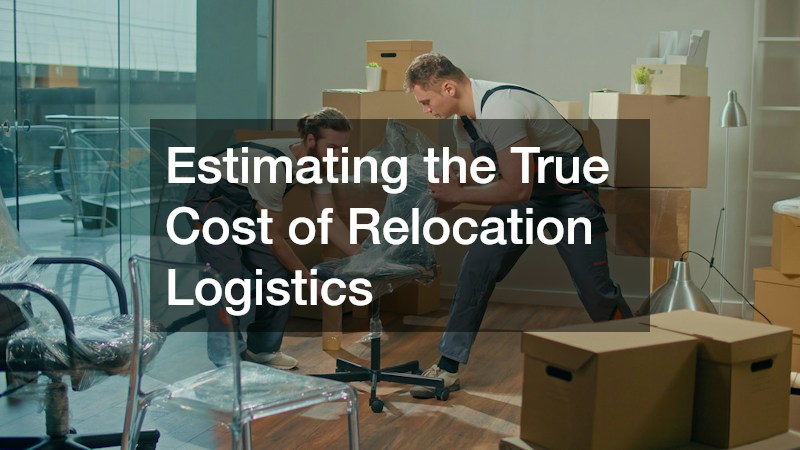
Moving a physical operation is rarely as simple as loading a truck and driving to the new address. Specialized equipment, sensitive inventory, and tight timelines often mean a business needs more than a few employees with a rented van. Hiring commercial movers who understand how to handle industrial shelving, office furniture, and fragile electronics can prevent costly damage and reduce downtime during the transition. The price tag for a commercial move depends heavily on scale and complexity. A small office relocation might run $2,000 to $5,000, while a warehouse move involving forklifts, pallet racking, and specialized machinery can easily exceed $20,000 once labor, trucking, and insurance are factored in. Businesses should also budget separately for IT disconnection and reconnection, since server rooms and networking equipment often require certified technicians rather than general laborers. Permits and compliance costs are another line item that’s easy to overlook. Depending on the municipality, companies may need parking permits for moving trucks, elevator reservation fees in multi-tenant buildings, or certificates of occupancy before operations can resume at the new site. Delays in securing these approvals can quietly add days of lost productivity on top of the direct financial cost. Getting multiple quotes well in advance also helps avoid paying rush fees when a lease deadline is approaching. As a rule of thumb, requesting bids at least 60 to 90 days before the target move date gives enough runway to compare pricing, verify licensing and insurance coverage, and negotiate flexible scheduling rather than settling for whatever availability remains at the last minute.
- Request itemized quotes that separate labor, transport, and insurance costs, and get at least three bids to spot outliers or missing line items
- Ask about liability coverage for damaged equipment or inventory, including coverage caps and whether high-value items need a separate rider
- Factor in costs for temporary storage if move-in dates do not align, typically $150 to $500 per month per unit depending on climate control and size
- Account for permit and licensing fees for moving trucks in city centers, plus any after-hours or weekend surcharges from movers
- Price out IT and equipment reconnection separately, since specialized techs for servers or machinery often bill outside the standard moving quote
- Build in a buffer of 10 to 15 percent for unplanned logistics expenses, and track actual spend against it to refine estimates for future moves
Budgeting for Building Permits and Inspection Delays
Local governments require permits for nearly every structural change, electrical upgrade, or occupancy shift, and the approval timeline rarely matches a business owner’s hopes. Permit fees themselves are usually modest, but the real cost comes from delayed openings that push back revenue while rent and loan payments continue. Inspection failures can also trigger expensive rework, especially if contractors used shortcuts that do not meet code. Building a financial cushion for these delays protects a company from scrambling for emergency funds mid-project.
- Research local permitting timelines before finalizing a move-in date
- Set aside funds for a second or third inspection round if needed
- Confirm zoning compatibility before signing any lease or purchase agreement
- Ask contractors for a written timeline that includes permit dependencies
Comparing Construction Methods for Expanding Facilities
When a growing business needs more square footage quickly, traditional construction is not always the fastest or most budget-friendly option. Pouring foundations, framing with structural steel columns, and waiting on multiple subcontractor trades can stretch a conventional build out to a year or more, depending on permitting and material lead times. Every month spent waiting on construction is a month of lost productivity or missed customer demand. Many companies researching expansion options find that clear span buildings offer a practical middle ground, since their open interior layout eliminates the need for support columns and allows for faster assembly than conventional construction. A clear span structure can often be erected in a matter of weeks rather than months, because the prefabricated steel frame components arrive ready for assembly on site. The unobstructed floor plan also makes it easier to reconfigure the space later for new equipment, additional storage racks, or a different workflow without reworking the building’s structure. This can shorten the timeline between signing a contract and opening for business, which directly reduces the carrying costs of an empty or half-finished space — rent on temporary storage, idle equipment, or staff waiting to start work. A business expanding by 10,000 square feet, for example, might save several months of overhead simply by choosing a structure that assembles faster than a conventional steel-frame building. Comparing the long-term maintenance needs and insulation options of different building styles before committing helps avoid surprise expenses after move-in. Fabric-covered clear span buildings, for instance, typically cost less upfront but may need recovering every 15 to 20 years, while steel-paneled versions cost more initially but require less frequent exterior maintenance. Insulation choice matters just as much: businesses storing temperature-sensitive inventory or housing employees full-time should budget for higher R-value insulation packages, since cutting corners there often leads to higher energy bills down the road.
- Compare upfront construction costs against long-term energy efficiency — a pricier insulated metal building may cost 15-20% more initially but cut heating and cooling bills significantly over a decade
- Ask about lead times for materials and prefabricated components, especially steel and specialty HVAC equipment, which can run 6-12 months depending on supplier backlogs
- Confirm whether the structure can be expanded again as the business grows, including whether the foundation and roof framing were designed to support future additions
- Factor in site preparation costs like grading, drainage, and soil testing, which can add tens of thousands of dollars before the first beam goes up
- Check local zoning and permit timelines, since delays here often cost more in lost productivity than the construction itself
- Weigh traditional stick-built construction against prefabricated or modular options, since modular builds often shave weeks off project timelines at a modest cost premium
Planning for Equipment and Technology Shortfalls
New square footage often reveals gaps in equipment that were not obvious in the smaller space. A larger warehouse may need additional forklifts, a bigger retail floor may require new point-of-sale terminals, and an expanded office may strain the existing internet and phone infrastructure. These gaps tend to surface after the move, when the business is already operating and cannot afford extended downtime to fix them. Running a full equipment audit before the move, rather than after, gives a business time to budget for purchases or leases without rushing.
- Walk through the new space and map out equipment needs room by room
- Get quotes on leasing versus buying for high-cost machinery
- Test internet and phone service availability before move-in day
- Plan for backup power solutions in areas prone to outages
Protecting the Business From Liability During Expansion

Construction sites, moving trucks, and newly opened facilities all introduce liability risks that many business owners underestimate. An employee or customer injury during a renovation or move can lead to costly claims, and having a relationship with personal injury lawyers before an incident happens is far more useful than scrambling to find one afterward. A single slip-and-fall claim at a new facility can easily run into tens of thousands of dollars once medical costs, lost wages, and legal fees are factored in, so establishing legal counsel early isn’t an unnecessary expense — it’s a safeguard. Reviewing insurance coverage for general liability, workers compensation, and property damage ahead of the expansion closes gaps that standard policies sometimes miss. Many policies, for instance, exclude coverage for third-party contractors or temporary structures, which means a business could be fully insured on paper yet still exposed during the exact period when risk is highest. It’s worth scheduling a coverage review with a broker specifically tied to the expansion timeline, rather than assuming existing policies will automatically extend to new locations or activities. It is also worth asking contractors and moving companies to show proof of their own liability insurance before work begins. Requesting a certificate of insurance and confirming it’s current, rather than simply taking a verbal assurance, can prevent a business from being held financially responsible for a third party’s negligence. Adding the business as an “additional insured” on a contractor’s policy is another simple step that provides an extra layer of protection at little to no cost.
- Review your general liability policy limits before expanding square footage — a space that doubled in size may need coverage well beyond your current $1-2 million limit
- Ask your insurer whether existing policies cover new activities like increased foot traffic, equipment, or inventory storage
- Confirm contractors carry adequate insurance for their crews, including workers’ comp and liability certificates naming you as additional insured
- Request proof of insurance in writing before any work begins, not just a verbal assurance
- Document the condition of the new space before renovations begin with dated photos and video walkthroughs
- Keep written records of pre-existing damage, wear, or code issues to avoid disputes with landlords or contractors later
- Keep incident report templates on hand in case something goes wrong, covering injuries, property damage, and equipment failures
- Train staff on when and how to use these templates so incidents are documented consistently and promptly
- Consult a business attorney about liability waivers or updated lease language that reflects the expanded footprint
Covering Legal Costs Tied to Vehicle and Transport Incidents
Businesses that rely on company vehicles for deliveries, client visits, or equipment transport face a unique risk during periods of growth, since more vehicles on the road naturally increases exposure to accidents. If a company driver is involved in a serious collision, having already researched the best car crash attorney in the area can save valuable time when quick legal guidance matters most. Beyond the immediate accident costs, businesses should also budget for potential increases in commercial auto insurance premiums as the fleet grows. Setting aside a small legal contingency fund specifically for transportation-related incidents is a smart move for any company scaling its physical footprint.
- Review commercial auto insurance coverage before adding vehicles to a fleet
- Keep a list of local legal contacts on file before an incident occurs
- Train drivers on updated safety protocols as routes or loads change
- Budget for potential premium increases tied to fleet expansion
Accounting for Utility and Insurance Rate Increases
A larger facility almost always comes with higher utility bills, and many business owners underestimate just how much electricity, water, and heating costs can climb when square footage doubles or triples. Insurance premiums tend to rise as well, since insurers assess risk based on the size and use of the new space. Getting updated quotes from utility providers and insurance carriers before finalizing a lease helps avoid an unpleasant surprise on the first monthly statement. Energy-efficient lighting and climate control systems can also offset some of these increases over time.
- Request historical utility data from the landlord or previous tenant
- Compare insurance quotes from at least three providers
- Ask about bundled policies that cover property, liability, and equipment
- Explore energy efficiency incentives offered by local utility companies
Growing a business into a larger physical space is an exciting step, but the real costs extend well beyond the obvious line items in a construction bid or lease agreement. By planning for logistics, permitting delays, liability exposure, and rising operating costs ahead of time, business owners can avoid the financial strain that catches so many growing companies off guard. The smartest move is to build a detailed, realistic budget months before the expansion begins, leaving room for the unexpected costs that almost always appear. Taking this proactive approach now will pay off in a smoother transition and a stronger financial footing once the new space is up and running.