
Operational efficiency is no longer just a competitive advantage—it’s a necessity for businesses that want to remain profitable and resilient in a rapidly changing marketplace. Rising costs, evolving customer expectations, and increasing regulatory pressures all demand that organizations operate smarter, not just harder. Whether you manage a small business or oversee a large commercial property, improving efficiency can significantly reduce waste, boost productivity, and enhance overall performance.
This guide explores practical, actionable strategies you can implement this year to optimize your operations. From evaluating internal processes to upgrading physical infrastructure and strengthening vendor relationships, each section is designed to help you uncover opportunities for improvement and turn them into measurable results.
Conduct a Full Operational Audit to Identify Inefficiencies
A comprehensive audit is the foundation of any meaningful efficiency improvement. Before making changes, you need a clear understanding of where your current operations stand and where inefficiencies exist.
Start by reviewing your workflows from end to end. Look at how tasks are completed, who is responsible for them, and how long they take. Pay close attention to redundant steps, communication gaps, and delays that slow down productivity.
Key steps to take include:
- Map out all major operational processes
- Identify bottlenecks and recurring issues
- Evaluate vendor performance and service quality
- Analyze operational costs across departments
In many cases, inefficiencies are tied to outdated contracts or unclear service agreements. Consulting a business law firm can help you review these documents and identify opportunities to renegotiate terms or eliminate unnecessary expenses. Legal professionals can also ensure compliance, reducing the risk of costly penalties.
Additionally, assessing your facility management practices is crucial. Inefficient scheduling, reactive maintenance, and poor resource allocation can all lead to higher costs and downtime. By shifting toward a proactive and data-driven approach, you can uncover significant savings and improve operational flow.
To take your audit a step further, incorporate data collection and performance metrics into your evaluation. Use key performance indicators (KPIs) such as turnaround time, cost per task, and employee productivity to quantify inefficiencies. Gathering feedback from employees is equally valuable, as frontline staff often have firsthand insight into daily challenges and overlooked inefficiencies.
You should also review your technology stack during the audit. Outdated software, disconnected systems, or manual processes can significantly slow down operations. Identifying opportunities for automation or system integration can streamline workflows and reduce human error.
Another important step is benchmarking your performance against industry standards. Comparing your operations to competitors or best practices can highlight areas where you may be falling behind and reveal opportunities for improvement.
Once your audit is complete, prioritize improvements based on impact and feasibility. Focus first on changes that offer quick wins while planning for longer-term upgrades.
Upgrade Your Building’s Core Systems for Better Performance
Outdated building systems can quietly drain resources and hinder productivity. Investing in modern infrastructure is one of the most effective ways to improve efficiency.
Heating, ventilation, and air conditioning systems are often among the biggest energy consumers in a commercial space. Partnering with a commercial hvac company allows you to evaluate system performance, identify inefficiencies, and implement upgrades that reduce energy usage while maintaining comfort.
Plumbing systems also play a critical role. Small leaks, inefficient fixtures, and aging pipes can lead to significant water waste and higher utility bills. Working with experienced commercial plumbers ensures that your system is optimized for both performance and sustainability.
To improve system efficiency:
- Schedule regular inspections and maintenance
- Replace outdated equipment with energy-efficient models
- Install smart controls and monitoring systems
- Address minor issues before they become major problems
Preventative maintenance is key. Instead of waiting for systems to fail, create a maintenance schedule that keeps everything running smoothly. This approach minimizes disruptions, extends equipment lifespan, and reduces emergency repair costs.
To further enhance performance, consider conducting an energy audit to pinpoint exactly where your building is losing efficiency. These audits can reveal insulation gaps, outdated thermostats, or inefficient airflow patterns that might otherwise go unnoticed. Upgrading to programmable or smart thermostats allows you to better control temperature settings based on occupancy, reducing unnecessary energy consumption during off-hours.
It’s also beneficial to train staff on best practices for system usage. Simple actions—like keeping vents unobstructed or reporting minor plumbing issues early—can make a noticeable difference over time. Additionally, documenting all maintenance activities creates a clear history of system performance, helping you make more informed decisions about repairs versus replacements.
By combining modern technology, routine maintenance, and informed usage, you create a more reliable and cost-effective operational environment.
Improve Workplace Safety and Risk Management Practices
A safe workplace is an efficient workplace. When employees feel secure and risks are minimized, productivity naturally improves.
Start by conducting a thorough risk assessment. Identify potential hazards, from physical security concerns to operational vulnerabilities. Once identified, take steps to mitigate these risks.
Hiring professional security services can significantly enhance on-site safety. Whether it’s monitoring access points, conducting patrols, or managing surveillance systems, a strong security presence deters incidents and protects both people and assets.
Another important aspect is insurance coverage. Reviewing your policies with a focus on commercial auto insurance ensures that your business is protected against vehicle-related risks, especially if transportation is part of your operations.
Practical steps include:
- Implement clear safety protocols and training programs
- Regularly inspect equipment and workspaces
- Maintain updated insurance coverage
- Establish emergency response procedures
By proactively addressing risks, you not only protect your business but also avoid costly disruptions and liability issues.
To strengthen your approach further, consider creating a culture of safety within your organization. Encourage employees to report hazards, near-misses, and concerns without fear of repercussions. This open communication helps identify risks early and fosters shared responsibility for maintaining a secure environment.
You can also leverage technology to improve safety oversight. Tools such as surveillance systems, access control software, and incident reporting platforms provide real-time visibility and documentation. This not only enhances response times but also supports compliance and insurance claims when needed.
Regularly updating training programs is equally important. As your operations evolve, so do potential risks. Ongoing education ensures employees stay informed about best practices and new safety protocols.
Finally, conduct periodic drills to test your emergency response plans. Practicing real-world scenarios helps identify gaps and ensures your team is prepared to act quickly and effectively when it matters most.
Enhance Property Durability with Preventative Maintenance
Maintaining the physical integrity of your property is essential for long-term efficiency. Neglecting maintenance often leads to larger, more expensive problems down the line.
One of the most critical areas to monitor is the roof. Scheduling regular inspections and addressing issues promptly with commercial roof repair can prevent leaks, structural damage, and operational interruptions.
Exterior and interior surfaces also require attention. Investing in commercial painting does more than improve appearance—it protects surfaces from wear, corrosion, and environmental damage.
To build an effective maintenance strategy:
- Create a detailed maintenance calendar
- Conduct seasonal inspections
- Document all repairs and upgrades
- Allocate a budget for ongoing maintenance
A proactive approach not only extends the lifespan of your property but also reduces unexpected downtime, allowing your operations to run smoothly.
In addition to these steps, it’s important to prioritize high-traffic and high-risk areas within your property. Entryways, loading docks, and shared spaces tend to experience more wear and tear, making them more susceptible to damage if not regularly maintained. Implementing routine checks in these areas can help catch early signs of deterioration. You should also work with trusted contractors who can provide consistent service and long-term insight into your building’s condition, ensuring maintenance decisions are both timely and cost-effective.
Optimize Outdoor Spaces for Functionality and Customer Experience
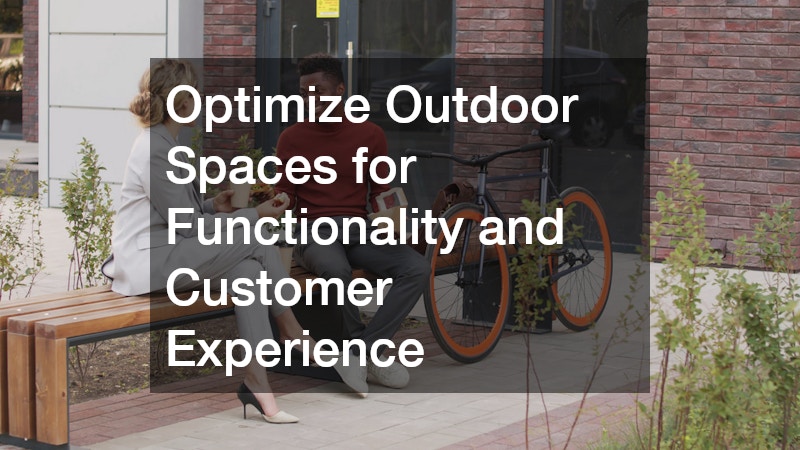
Outdoor areas are often underutilized, yet they offer valuable opportunities to enhance both functionality and customer satisfaction.
Start by evaluating how your outdoor spaces are currently used. Are they serving a purpose, or are they simply empty areas? Upgrading with high-quality commercial outdoor seating can transform these spaces into productive, welcoming environments.
Integrating outdoor areas into your broader facility management strategy ensures they are maintained and used effectively. This includes regular cleaning, landscaping, and ensuring compliance with accessibility standards.
Consider the following improvements:
- Create designated areas for customers or employees
- Add shade structures or weather protection
- Ensure pathways and seating are accessible
- Use outdoor spaces to expand capacity
Well-designed outdoor areas can increase customer dwell time, improve employee morale, and even generate additional revenue.
Reduce Operational Costs Through Smarter Resource Management
Efficient resource management is a cornerstone of operational success. By optimizing how you use water, energy, and materials, you can significantly reduce costs.
Water usage is a common area of inefficiency. Implementing a commercial water treatment service helps improve water quality, reduce waste, and extend the lifespan of equipment.
In addition, working with skilled commercial plumbers to install water-efficient fixtures can lead to immediate savings. Low-flow faucets, efficient irrigation systems, and leak detection technologies all contribute to better resource management.
Actionable steps include:
- Monitor water and energy usage regularly
- Invest in efficient systems and technologies
- Educate employees on conservation practices
- Set measurable goals for resource reduction
These efforts not only lower costs but also support sustainability initiatives, which can enhance your brand reputation.
Strengthen Vendor Relationships and Contract Efficiency
Your vendors play a critical role in your operations. Strong relationships and well-structured contracts can greatly improve efficiency.
Begin by reviewing all vendor agreements. Identify areas where costs can be reduced or services can be improved. Consulting a business law firm can help you navigate contract negotiations and ensure favorable terms.
Building long-term partnerships with reliable providers, such as a trusted commercial hvac company, can lead to better service, priority support, and potential cost savings.
To optimize vendor management:
- Consolidate vendors where possible
- Establish clear expectations and performance metrics
- Communicate regularly and address issues promptly
- Review contracts annually
A strategic approach to vendor relationships ensures consistency, reliability, and improved operational outcomes.
Implement Technology to Streamline Daily Operations
Technology is a powerful tool for improving efficiency. By automating routine tasks and centralizing information, you can reduce manual work and improve accuracy.
Modern facility management software allows you to track maintenance, manage assets, and analyze performance data in real time. This visibility enables better decision-making and faster response times.
Integrating technology with security services systems further enhances operational control. Smart surveillance, access control, and monitoring tools provide valuable insights and improve overall safety.
Key technologies to consider:
- Automated scheduling and maintenance systems
- Cloud-based management platforms
- Data analytics tools
- Smart building technologies
Investing in the right tools can transform your operations, making them more agile and responsive.
Protect Assets and Minimize Downtime with Proactive Planning
Unexpected disruptions can have a significant impact on efficiency. Proactive planning helps you minimize downtime and maintain continuity.
Start by developing a comprehensive business continuity plan. Identify potential risks and outline steps to address them. Regularly review and update this plan to ensure it remains relevant.
Ensuring adequate coverage with commercial auto insurance is another critical step, particularly for businesses that rely on transportation. Additionally, scheduling routine inspections and addressing issues early with commercial roof repair can prevent major disruptions.
Best practices include:
- Conduct regular risk assessments
- Maintain updated emergency protocols
- Train employees on response procedures
- Test your continuity plan periodically
Preparation is key to maintaining efficiency, even in the face of unexpected challenges.
Improve Aesthetic and Brand Perception for Better Efficiency
The appearance of your business environment has a direct impact on both employee productivity and customer perception. A well-maintained, visually appealing space creates a positive atmosphere that supports efficiency.
Investing in commercial painting helps maintain a clean and professional look while protecting surfaces from wear. Fresh, updated spaces can boost employee morale and create a more welcoming environment for customers.
Similarly, upgrading commercial outdoor seating enhances the overall experience for visitors, encouraging longer stays and repeat business.
To improve your space:
- Keep interiors and exteriors clean and well-maintained
- Align design elements with your brand identity
- Update outdated features regularly
- Gather feedback from employees and customers
A strong visual presence reinforces your brand and contributes to a more productive, efficient workplace.
Improving operational efficiency is an ongoing process that requires careful planning, consistent effort, and a willingness to adapt. By taking a proactive approach and focusing on both internal processes and external resources, businesses can uncover meaningful opportunities for growth and improvement.
The strategies outlined in this guide provide a practical roadmap for enhancing performance, reducing costs, and building a more resilient organization. With the right mindset and tools, you can create a more efficient operation that supports long-term success.