
The traditional career pathway once meant committing to a fixed physical location: an office, a storefront, a factory floor, or a corporate campus. However, a major cultural shift toward remote work, seasonal operations, and outdoor service industries has rewritten the rules. Today, a growing community of professionals organizes life around movement, open sky, and fresh air.
Combining a passion for the outdoors with a steady income requires looking past standard desk jobs. It means finding work that either takes place directly in nature or provides the mobility needed to explore new places. Whether you prefer guiding clients through rugged landscapes, building infrastructure, managing specialized equipment, or working independently while traveling, the modern labor market offers direct avenues to turn outdoor enthusiasm into a sustainable vocation.
Guiding, Safety, and First Response in Wild Places
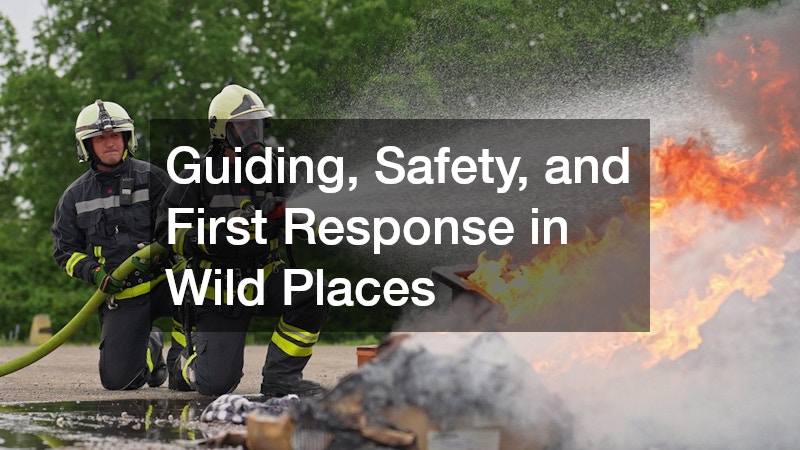
Among the most direct ways to work outdoors is in natural resource management, wilderness guiding, and emergency services. These roles require specialized technical skills, physical stamina, and a deep respect for natural environments.
Navigating Marine Environments and Inspections
For those drawn to coastal regions, major waterways, and ocean transit, maritime careers offer constant travel and hands-on engagement with boats and watercraft. A specialized niche in this sector involves vessel inspection and assessment. Professionals who specialize in marine diesel surveying travel to shipyards, marinas, and private docks to evaluate the mechanical integrity, engine condition, and safety compliance of commercial and recreational vessels. This work combines technical expertise with a mobile lifestyle, frequently taking surveyors from coastal ports to inland waterways.
Wilderness Emergency Services and Towing
Outdoor travel is not always smooth sailing; remote environments present unique hazards that require dedicated recovery and emergency services. Off-road operators and drivers providing emergency roadside service in rural or mountain corridors deal directly with challenging terrain, changing weather conditions, and high-stakes troubleshooting. Similarly, search-and-rescue personnel, wilderness EMTs, and heavy-recovery operators travel continuously throughout rugged regions to assist stranded travelers and maintain safety along backcountry transit routes.
Commercial and Tactical Air Operations
Aerial work is another avenue for individuals who love expansive views and constant movement. From utility inspection and timber operations to fire-suppression air drops, pilot crews and support technicians spend their seasons moving between remote staging grounds. Professionals overseeing specialized crane services often find themselves deployed to isolated infrastructure projects, wind farm installations, and backcountry construction sites, providing essential lifting capacity where standard equipment cannot go.
Creative Craftsmanship and Structural Trades
Many outdoor lovers thrive in hands-on skilled trades that build, restore, or install structures in open-air environments. These careers combine physical craft with outdoor workplace settings, often taking crews to varied sites across regions.
Architectural Metalwork and Framing
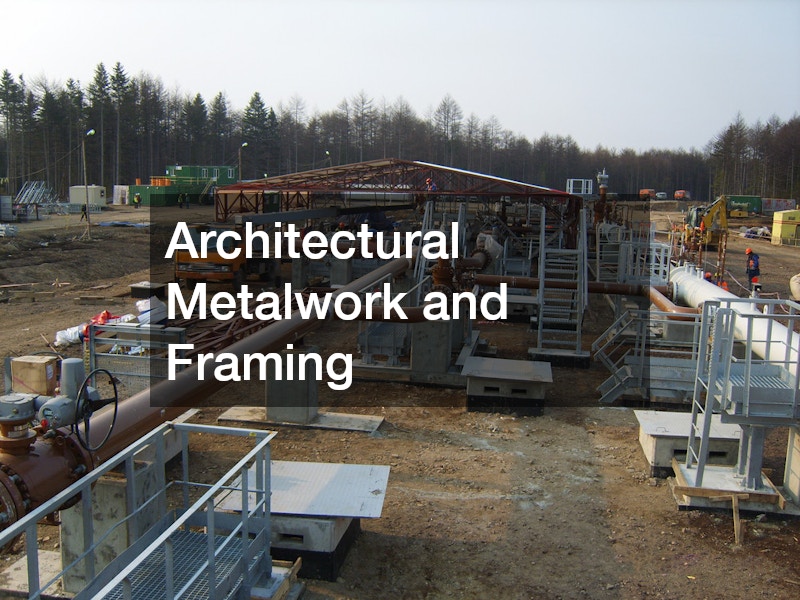
Modern exterior design increasingly relies on structural and decorative metal systems that can withstand extreme weather while offering clean aesthetics. Skilled tradespeople working for a cable railing contractor travel across residential and commercial job sites to install low-profile barrier systems on decks, balconies, mountain lookouts, and boardwalks. This craft allows builders to work continuously in open-air settings, often on properties with sweeping views of oceans, lakes, or mountain ranges.
Heavy Fabrication and Site Construction
Industrial trades also offer significant outdoor exposure, blending heavy technical craftsmanship with constant engagement in open-air environments. Ironworkers, riggers, and welders engaged in local steel fabrication frequently work directly on-site rather than remaining confined inside enclosed shops. They erect massive structural frameworks for bridges, outdoor amphitheaters, scenic observation towers, ski lifts, and industrial infrastructure. Because construction demands fluctuate significantly by region and season, tradespeople in these specialized fields often take on contract work that moves them systematically from one municipality, state, or natural area to another, offering a natural rhythm of travel and fresh scenery.
Working in field fabrication demands exceptional spatial awareness, physical endurance, and absolute respect for safety protocols. Tradespeople must interpret complex engineering blueprints while operating elevated platforms, cranes, and specialized rigging equipment high above the ground. Whether aligning heavy structural beams on a coastal harbor, fitting precision components on a mountain pass, or securing support columns in a sprawling municipal park, these professionals operate under direct exposure to sun, wind, and changing temperatures. This daily interaction with raw materials and changing weather gives field construction a dynamic energy that indoor shop work rarely matches.
Moreover, the contract-driven structure of field fabrication and structural assembly empowers skilled workers to tailor their career trajectories around personal travel preferences. A welder or rigger might spend six months completing a major infrastructure project near a national forest, taking full advantage of nearby hiking, camping, and kayaking during their time off, before taking a project in an entirely different region. As infrastructure modernization and renewable energy projects expand into diverse geographic locations, demand for mobile, high-precision metalworkers continues to grow. For individuals who take pride in physically building the modern world while maintaining a lifestyle rooted in movement and outdoors, field fabrication provides an exceptionally strong and reliable career foundation.
Memorial Masonry and Outdoor Stone Design
Stone craft is one of the oldest outdoor trades, blending artistic detail with weather-resistant materials. Artisans and installers working for a gravestone company or architectural stonemasonry firm spend the majority of their working hours outdoors in parks, historic sites, and dedicated grounds. The process of setting heavy granite, inscribing monuments, and restoring historic outdoor stonework requires physical engagement with the elements and precise structural skill.
Outdoor Recreation and Leisure Services
The global expansion of outdoor recreation has created a vast service economy tailored to helping people explore parks, resorts, and recreational facilities.
Fleet Management for Recreational Vehicles
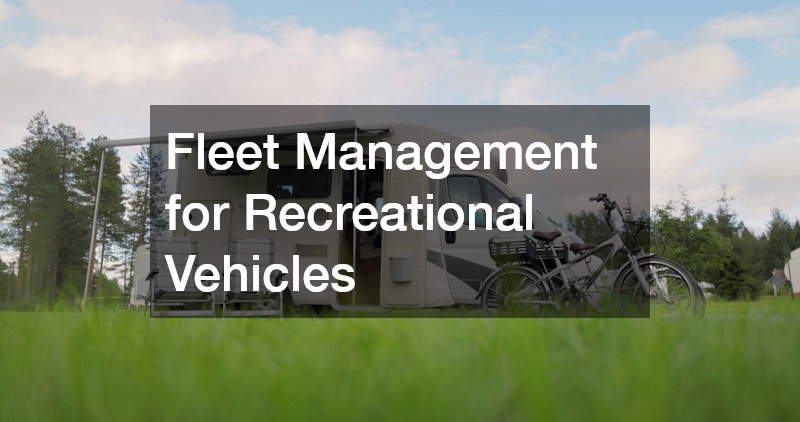
Large resort areas, national park gateways, and golf communities rely heavily on light utility vehicles for transit, maintenance, and guest services. Managing and maintaining these fleets is a dedicated career path. Technicians specializing in golf cart services often travel between resort properties, state parks, trail networks, and event venues to service, customize, and transport utility vehicles. This role offers an ideal balance for mechanics who prefer open-air resort environments over indoor automotive garages.
Adventure Guiding and Expedition Leadership
For those who want to turn personal outdoor hobbies into a daily routine, adventure guiding remains a premier option. Wilderness leaders lead groups through multi-day backpacking trips, whitewater rafting routes, rock climbing destinations, and ski tours. These positions are inherently mobile, shifting with seasons and migration patterns of outdoor tourism—moving from winter ski resorts in the high country to summer river runs across national parks.
Earth Sciences and Land Stewardship
Science-focused careers offer some of the most consistent and deeply rewarding opportunities to combine rigorous analytical work with long, immersive stints in the backcountry. For professionals who prefer data collection over desk duty, the natural world serves as both a laboratory and an office. Fields like environmental science, forestry, geology, and conservation biology depend entirely on direct observation, physical sampling, and on-the-ground monitoring that simply cannot be replicated from behind a screen or inside a traditional facility.
Field scientists regularly deploy to diverse ecosystems—from high-altitude alpine ridges and dense old-growth forests to remote desert basins and pristine coastal estuaries. Their day-to-day responsibilities range from tracking migratory wildlife and collecting core soil samples to measuring stream hydraulics, mapping mineral deposits, and documenting shifting plant biodiversity. These tasks require a unique balance of intellectual precision and physical stamina, as researchers often navigate rugged terrain, haul heavy testing equipment, and adapt to unpredictable weather conditions while remaining focused on precise data collection.
Moreover, the mobile and expeditionary nature of field research inherently supports a lifestyle centered around travel and outdoor exploration. Many earth science and environmental projects are funded through multi-month grants or seasonal initiatives that take research teams across national parks, international ecological preserves, and vast tracts of public land. Living out of remote research stations, tent camps, or mobile field units allows professionals to experience untouched landscapes that few tourists ever reach.
Ultimately, this intersection of scientific curiosity and wilderness immersion attracts people who find fulfillment in understanding how complex natural systems function. By transforming environmental stewardship into an active daily routine, science-focused field careers allow passionate outdoorspeople to build a sustainable, lifelong vocation where geographic movement and intellectual discovery go hand in hand.
Property Boundaries and Geological Mapping
Before any trail, park, or structure can be established, land must be measured and documented. Field crews working with land survey companies spend their days hiking through dense forests, along shorelines, and across mountain ridges to map boundary lines, topographies, and right-of-ways. Utilizing satellite positioning systems and optical measurement tools, land surveyors gain access to remote, untouched terrain that few others ever see.
Forest Management and Conservation Biology
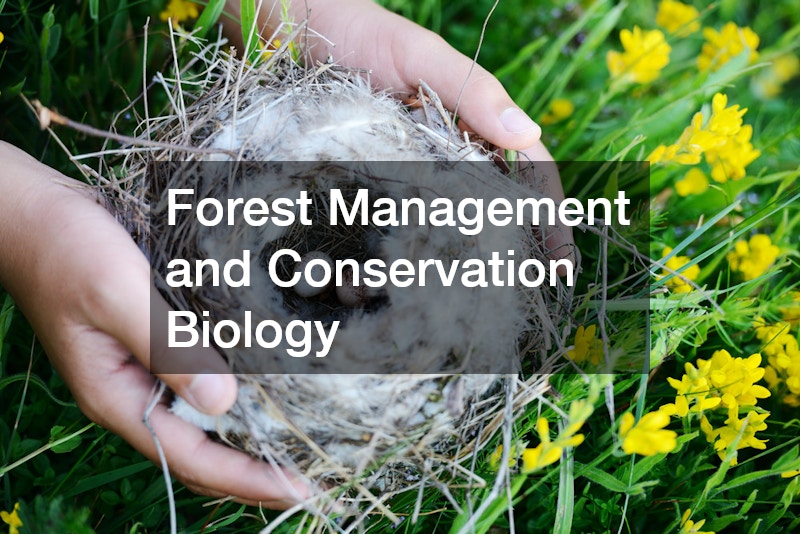
Forestry technicians, wildlife biologists, and range management specialists live and work in the field. Their daily duties involve tracking animal populations, assessing forest health, conducting controlled burns, and mapping watershed conditions. These positions frequently require backcountry camping, extended travel across public lands, and deep immersion in ecological systems.
The Mobile Workforce and Remote Freedom
Not every outdoor career involves physical labor or field sciences. The rise of remote work has enabled thousands of digital professionals to merge traditional knowledge careers with a nomadic, outdoor-centric lifestyle.
Relocation and Logistics Management
A mobile lifestyle requires master logistics, especially when transitioning between towns, base camps, or seasonal housing. Professionals working in long distance moving and freight coordination manage the complex networks that allow nomads, seasonal workers, and relocating families to shift footprints effortlessly. Operating in this industry keeps managers and drivers continuously on the highway, experiencing new geographies, cities, and rural corridors daily.
Beyond the open road, success in transit and relocation logistics relies on a blend of strategic planning, adaptive problem-solving, and real-time coordination. Managers, route dispatchers, and transport specialists constantly evaluate changing variables like weather patterns, fuel efficiency, weight distribution, and tight delivery schedules to keep operations running smoothly. When orchestrating cross-country transitions, every variable matters—from securing state-by-state permits and coordinating staging areas to ensuring sensitive equipment, outdoor gear, or complete households arrive undamaged. Managing these moving pieces requires high-level organizational skills and an ability to stay calm under pressure when unexpected delays or detour routes arise on the trail or highway.
For individuals who thrive on movement, this fast-paced field transforms everyday work into an evolving geographical tour. Rather than being confined to a single warehouse, depot, or regional office, logistics coordinators and mobile transport teams experience the dynamic rhythm of life on the move. They navigate through changing climates, traverse breathtaking mountain passes, and interact with diverse local cultures at every stop along their routes.
Furthermore, as the demand for remote work, seasonal resort employment, and flexible living arrangements continues to grow, the need for agile, reliable relocation services is higher than ever. Transport professionals serve as the essential link that enables others to pursue their nomadic or outdoor-centric dreams. For those who manage the pipelines, the job offers a unique blend of operational strategy, physical engagement, and total geographic freedom, proving that a career built around travel can be just as structured and financially rewarding as it is adventurous.
Location-Independent Digital Work
For writers, developers, analysts, and designers, location independence allows them to live in camper vans, tent sites, or mountain towns while maintaining full-time client rosters. Digital nomads structure their days around weather windows—hiking, climbing, or surfing during prime daylight hours and completing project deliverables during off-peak times.
End-of-Life Care and Memorial Park Management
Even fields that seem traditional are adapting to outdoor preferences and environmental sustainability trends, particularly in how communities approach memorialization and natural spaces.
Natural Burial and Green Park Operations
A growing interest in natural practices has transformed green cemetery management and natural burial service operations into rewarding outdoor careers. Park managers, land stewards, and coordinators in this field maintain natural preserves, native plant habitats, and dedicated green grounds where memorial sites blend directly into forests and meadows. This work provides a quiet, outdoors-focused environment dedicated to land conservation and community service.
Strategies for Building an Outdoor-Centric Career
Transitioning into a life centered around travel and the outdoors requires deliberate planning, skill acquisition, and realistic financial management.
Essential Certifications and Technical Skills
Most outdoor and travel careers require specialized credentials and safety protocols. Wilderness First Responder or Emergency Medical Technician certifications are prized across field industries. Trade licenses, commercial driver licenses, maritime certifications, or heavy equipment operator credentials open immediate doors to high-paying mobile work. Knowing how to operate machinery, complete structural assemblies, or navigate spatial mapping software gives field workers a major advantage in competitive job markets.
Managing the Seasonal Rhythm
Many outdoor professionals structure their years around seasonal contracts. Ski patrol and resort operations dominate the winter months, while river guiding, trail maintenance, and marine inspection peak in the spring and summer. Learning to budget across off-seasons and securing complementary credentials ensures year-round financial stability while allowing extended breaks for personal travel and exploration.
Aligning Passion with Vocation
Building a life centered on movement, nature, and open skies is entirely achievable across dozens of distinct industries. Whether you choose a path rooted in specialized field trades, emergency response, earth sciences, or location-independent digital work, the key is matching your personal strengths with the operational demands of the field. By acquiring the necessary technical certifications, embracing mobility, and respecting the environments you work in, you can turn the outdoor world into your primary workplace.