
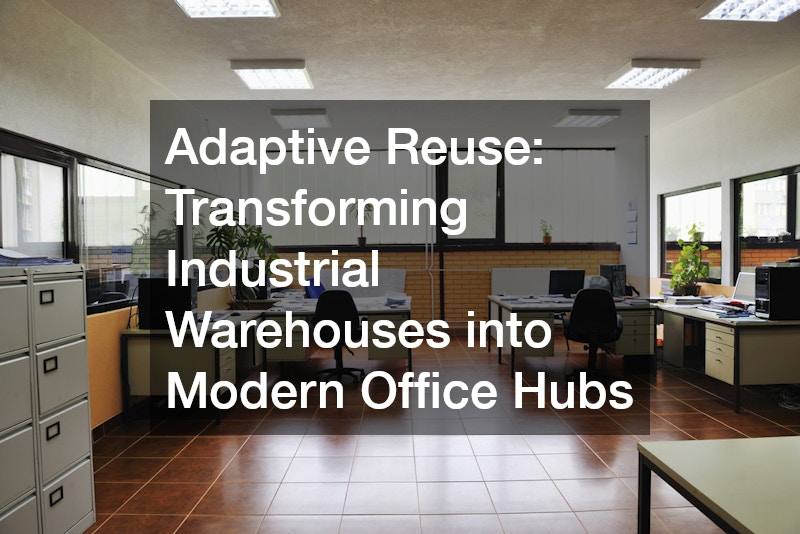
The landscape of the modern professional world is undergoing a significant transformation. As cities continue to evolve, the demand for creative, spacious, and historically rich office environments has skyrocketed. This trend has led many developers and business owners to look away from new construction and toward the existing structures of the past. The practice of adaptive reuse, particularly the conversion of old industrial warehouses into high-tech office hubs, has become a hallmark of urban revitalization in 2026. These cavernous buildings, once the site of heavy manufacturing and shipping, offer a unique canvas. They provide high ceilings, open floor plans, and a rugged aesthetic that modern companies find highly appealing. However, turning a dusty shell of a building into a functional, safe, and efficient workspace is no small feat. It requires a coordinated effort across multiple disciplines, blending the preservation of history with the requirements of the modern workforce. Property managers often worry about the sudden failure of old pipes during construction, which is why having access to local emergency plumbers is considered a critical safety net during the early phases of site preparation and demolition.
The Foundation of Legal and Regulatory Compliance
Before any physical work can begin on a warehouse conversion, the project must navigate a complex web of legal requirements. Changing the designated use of a building from industrial to commercial office space is rarely a straightforward process. It often involves zoning variances, environmental assessments, and a deep understanding of local ordinances that may have been written decades ago. This stage of the process is where expertise in business law is vital. Legal professionals must ensure that all property titles are clear and that the proposed changes meet the current safety and accessibility standards for a workplace. They also play a role in negotiating lease agreements and ensuring that the developer is protected from potential liabilities associated with old industrial sites. Establishing this legal framework early on prevents costly delays and ensures that the project rests on a stable foundation of compliance and clear ownership. Furthermore, a solid legal strategy helps in securing the necessary permits for major structural changes that would otherwise be held up in bureaucratic red tape for months.
Securing the Building Envelope and Structural Integrity
Once the legal path is cleared, the physical transformation begins with the building exterior shell. Industrial warehouses are often left vacant for extended periods, and during that time, the elements can take a heavy toll. The primary concern is almost always the roof. Because these buildings have large footprints, even a small leak can cause massive damage to the interior over time. A professional roofing company is typically the first trade on the site to perform a detailed inspection. They must determine if the original structure can support the weight of modern upgrades, such as rooftop solar panels or large air handling units. Whether the solution involves a complete tear-off or the installation of a new membrane system, the goal is to create a watertight seal that will protect the expensive interior build-out for decades. Proper insulation and drainage are also prioritized to improve the building’s energy performance and prevent standing water issues. This external protection is the first line of defense against the unpredictable weather patterns that can threaten the longevity of a major renovation project.
Maximizing Natural Light Through Strategic Fenestration
Industrial buildings were traditionally designed for utility rather than human comfort. This often meant small, high windows or massive steel-framed panes that offer very little insulation. To create an environment where people want to work for eight hours a day, natural light is essential. This is where commercial glass companies come into play, redesigning the facade to invite sunlight deep into the interior. Modern conversion projects frequently use high-performance, double-glazed units that provide excellent thermal resistance while maintaining the industrial look of the original windows. In some cases, entire sections of a brick wall may be replaced with glass curtain walls to create a dramatic entrance or a transparent connection to the surrounding neighborhood. Internally, glass partitions are often used to define private offices and meeting rooms without blocking the flow of light through the open-concept layout. This creates a sense of openness and connectivity that is often missing in traditional, cubicle-heavy office environments, fostering a more collaborative and positive culture among the staff.
Designing a High-Voltage Infrastructure for Modern Tech
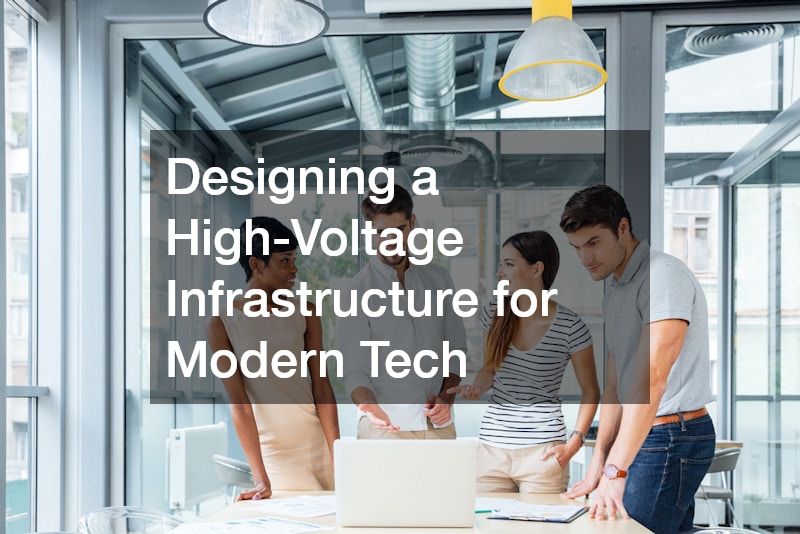
The electrical needs of a century-old warehouse and a modern tech office could not be more different. While an old factory might have had massive power lines for heavy machinery, it lacks the distribution network required for hundreds of laptops, servers, and smart devices. A qualified commercial electrician is tasked with reimagining the entire electrical layout of the building. This involves installing new main distribution panels and running complex conduit systems through the exposed ceilings. In an adaptive reuse project, the electrical work is often a visible part of the design, with silver pipes and industrial fixtures adding to the aesthetic. The infrastructure must also be built with redundancy in mind, ensuring that the office can handle the high data loads and power requirements of modern cloud computing and artificial intelligence hardware. It is about creating a system that is as robust as it is flexible, allowing the office to scale its operations without needing to overhaul the entire power grid every few years.
Defining the Visual Identity Through Interior Finishes
The beauty of a warehouse conversion lies in the contrast between old and new. The goal is often to highlight the original brick, timber, and steel while introducing modern colors and textures that reflect a company’s brand. Professional interior painting contractors are essential in achieving this balance. They must work with a variety of surfaces, many of which are porous or have been affected by decades of industrial use. Using specialized sealants and low-VOC paints, they can transform a dark and imposing space into one that feels bright and professional. Choosing the right finish is not just about looks; it is also about durability. In a high-traffic office, walls need to be scuff-resistant and easy to clean. The color palette used can also influence the mood and productivity of the employees, making the selection of tones a critical part of the overall interior design strategy. This meticulous attention to detail ensures that the building looks like a curated workspace rather than just a cleaned-up factory floor.
Achieving Precision Climate Control in Open Volumes

Heating and cooling a warehouse is one of the most significant engineering challenges in any conversion project. The sheer volume of air in a space with thirty-foot ceilings makes traditional residential-style systems completely ineffective. Specialized HVAC services are required to design custom solutions that can maintain a consistent temperature throughout the entire floor plan. These systems often use large-diameter, exposed spiral ducting to distribute air evenly. Engineers must carefully place sensors and diffusers to ensure that there are no hot spots near the large windows or cold pockets in the corners of the building. In 2026, there is also a major focus on air quality and filtration. Modern systems are now equipped with advanced filters and sterilization tech to provide a healthy environment for workers, making the air inside the office often cleaner than the air outside. A well-designed climate control system works silently in the background, ensuring that the physical environment remains comfortable regardless of the temperature fluctuations occurring outside the thick masonry walls.
Installing Durable and Low-Maintenance Industrial Surfaces
Flooring is another area where the industrial heritage of the warehouse can be preserved while adding modern functionality. Most old warehouses have concrete floors that are stained, cracked, or uneven. Instead of hiding these floors under carpet or vinyl, many developers choose an epoxy flooring service to create a seamless and incredibly durable finish. Epoxy coatings can be applied in various colors and textures, from a high-gloss metallic finish to a matte, slip-resistant surface. This type of flooring is ideal for an office because it is extremely easy to maintain and can withstand the weight of heavy furniture and constant foot traffic without showing wear. By sealing the original concrete, epoxy also prevents dust from rising out of the porous material, which contributes to a cleaner and more professional indoor environment. It provides a polished, high-end look that still honors the building’s hardworking past while offering a surface that can literally last for a generation with only basic cleaning and minimal upkeep.
Upgrading Infrastructure for Greater Occupancy
A warehouse that once housed a dozen workers now needs to accommodate several hundred people simultaneously. This shift puts a massive strain on the existing water and waste lines that were never intended for such high usage. Professional emergency plumbers must be brought in to completely rethink the building’s sanitation systems. This often involves cutting into the concrete foundation to lay new drainage pipes for multiple restrooms, kitchenettes, and breakrooms. The plumbing in an adaptive reuse project must also account for modern conservation standards. This includes the installation of low-flow fixtures and touchless technology to reduce water waste. In some high-end conversions, specialized contractors may even install greywater recycling systems that collect water from sinks to be filtered and used in the building’s landscaping or toilet-flushing systems. Ensuring that the water pressure remains consistent across several floors of a large building is a technical task that requires careful planning, as the comfort of every employee depends on these basic utilities working flawlessly every day.
Fine-Tuning the Internal Connection Network

Beyond the initial construction and major overhauls, the ongoing functionality of a converted warehouse depends on a thousand smaller details. This includes the installation of task lighting, security cameras, and automated building controls. Reliable electricians are needed to ensure that every switch, outlet, and sensor is working perfectly according to the design plan. In an open-concept office, the electrical needs are constantly changing as teams move and grow, requiring a modular approach to wiring. These professionals provide the fine-tuning that makes the space livable on a day-to-day basis, from the dimming of lights for a presentation to the power supply for a communal kitchen area. They are also responsible for the regular safety audits that ensure the building’s wiring remains up to code. As the building settles and age begins to affect the newer installations, having a team that understands the specific quirks of a retrofitted industrial structure is invaluable for maintaining a safe and productive workplace for all employees.
Resilience and Crisis Mitigation Planning
Even the most thorough renovation cannot completely eliminate the risk of mechanical or structural issues in the future. Adaptive reuse projects, by their very nature, involve working with aging materials that may react unpredictably over time. For example, a heavy rainstorm could test the limits of an old drainage system, or a sudden cold snap could put unexpected pressure on the plumbing. If a major pipe fails, the property manager needs to know that help is available immediately to prevent water damage to expensive office equipment and digital servers. This constant vigilance is part of the long-term management strategy for any high-value commercial asset. By having a plan in place for rapid repairs, the building owners can protect their investment and ensure that the tenants can focus on their work without worrying about the stability of their environment. This proactive approach to maintenance and crisis management is what separates a successful office hub from one that is plagued by constant operational problems and high tenant turnover.
The Future of the Revitalized Urban Landscape
The transformation of industrial warehouses into modern office hubs is more than just a real estate trend; it is a sustainable way to breathe new life into our cities. By repurposing existing structures, we reduce the environmental impact of new construction while preserving the unique character of our urban centers. The success of these projects depends on the skill and coordination of many different trades. From the architects who envision the space to the craftsmen who install the glass, flooring, and electrical systems, every person plays a vital role. When done correctly, these converted spaces provide a workspace that is both inspiring and functional, bridging the gap between the industrial history of the past and the technological innovation of the future. As we move further into 2026, the lessons learned from these adaptive reuse projects will continue to shape how we think about the buildings we work in every day. The blend of heritage and modern utility creates a powerful environment that supports business growth while honoring the architectural legacy of the neighborhoods they occupy. This balance is the key to creating urban environments that are not only economically vibrant but also culturally rich and aesthetically diverse for generations to come. Planning these projects with a long-term vision ensures that these landmarks remain relevant and functional in a rapidly changing global economy. Each warehouse saved is a testament to the creativity and resourcefulness of modern design and engineering.