
Owning or managing a property involves much more than keeping the space clean and paying routine bills. Buildings, outdoor areas, vehicles, machinery, and specialized systems all require regular attention. Developing practical maintenance skills can help property owners recognize problems early, perform basic work safely, and know when a specialized professional is needed.
Hands-on knowledge is especially valuable when a property contains multiple structures, extensive landscaping, recreational features, or equipment. Knowing how different systems work makes it easier to communicate with contractors, evaluate repair needs, and prioritize maintenance projects. It can also help prevent minor problems from becoming expensive emergencies.
The goal does not have to be becoming an expert in every trade. Instead, property owners can develop a broad understanding of common maintenance tasks while building the judgment needed to recognize work that requires specialized training.
Learning to Assess Problems Before Making Repairs
The first practical skill is learning how to assess a problem. Before reaching for a tool, determine what is actually wrong, how serious the issue may be, and whether it is safe to address personally.
A good assessment begins with observation. Look for unusual sounds, leaks, cracks, corrosion, damaged materials, electrical problems, unusual odors, or changes in equipment performance. Documenting problems with photographs and notes can also make it easier to monitor deterioration over time.
Safety should come before convenience. Work involving electricity, structural components, gas, significant heights, heavy machinery, or pressurized systems can create serious hazards. In these situations, knowing when to stop and contact a qualified professional is just as important as knowing how to perform a basic repair.
Property owners should also maintain a basic collection of hand tools and safety equipment. Screwdrivers, wrenches, pliers, levels, measuring tools, work gloves, eye protection, and appropriate ladders can handle many routine jobs. Specialized equipment should only be used after understanding its operating requirements.
Developing Basic Mechanical and Technical Knowledge
Modern properties often contain systems that combine mechanical and digital components. A homeowner may encounter everything from automated pool controls to computerized equipment and vehicle diagnostic systems.
Basic troubleshooting involves checking the simplest potential causes first. Confirm that equipment has power, connections are secure, switches are positioned correctly, and filters or other routine components are not obstructed. Reading owner’s manuals and maintenance documentation can provide important information about operating limits and recommended service intervals.
Computer equipment deserves attention as well. Businesses and homeowners increasingly rely on laptops for property records, financial management, security monitoring, communication, and other responsibilities. Understanding basic troubleshooting can help resolve simple problems, while professional laptop repairs may be appropriate for hardware failures, damaged components, or complicated technical issues.
The same principle applies to other specialized equipment. A practical property owner does not need to rebuild every machine but should understand what routine maintenance involves and what warning signs indicate professional service is necessary.
Working Safely With Specialized Tools

Hands-on work often depends on using the right tool for the material and task. Choosing equipment based on convenience rather than suitability can damage materials or create unnecessary hazards.
For example, cutting operations may require specialized cutting tools depending on whether the material is wood, metal, masonry, plastic, or another substance. The appropriate blade, speed, pressure, and protective equipment can vary considerably.
Before using unfamiliar equipment, review the manufacturer’s instructions and identify potential hazards. Make sure guards are installed, workpieces are secured, and surrounding areas are clear. Eye and hearing protection may be necessary, while some jobs also require respiratory protection.
Tool maintenance is equally important. Dull blades, damaged cords, loose components, and worn safety guards can increase the likelihood of accidents. A regular inspection routine can help identify problems before tools are used.
Knowing how to sharpen, clean, lubricate, store, and inspect tools can extend their useful life. However, property owners should avoid modifying equipment in ways that bypass safety features or manufacturer requirements.
Handling Plumbing Problems Responsibly
Plumbing is one of the most useful areas for developing basic property maintenance skills. Simple tasks such as shutting off water, replacing accessible fixtures, clearing minor drain blockages, or repairing certain connections can often be learned with practice.
The most important plumbing skill may be locating shutoff valves. Knowing how to stop the water supply quickly can reduce damage when a pipe, fixture, or appliance begins leaking.
Routine inspections can also reveal problems early. Check exposed pipes for corrosion, moisture, mineral deposits, and loose connections. Inspect areas beneath sinks and around water-using appliances for signs of leaks.
A professional plumber should handle more complicated issues involving major pipe damage, sewer lines, gas connections, significant water pressure problems, or repairs that require specialized equipment or permits. Attempting a complicated plumbing repair without the appropriate knowledge can create additional damage.
Maintaining Exterior Water Management
Water management extends beyond indoor plumbing. Gutters and drainage systems play an important role in directing rainwater away from roofs, siding, foundations, and landscaping.
Property owners should periodically inspect gutters for leaves, sediment, damaged sections, and loose fasteners. Downspouts should discharge water far enough away from the building to reduce the risk of pooling around the foundation.
Basic gutter cleaning can be manageable for someone with the appropriate equipment and safety precautions. However, working from ladders introduces significant fall risks. Tall buildings, steep roofs, unstable surfaces, and difficult-to-reach sections may justify hiring professionals for gutter services.
The same principle applies to drainage around the property. Standing water can indicate grading problems, clogged drainage systems, damaged downspouts, or other issues that deserve investigation.
Understanding Roofing Materials and Repairs
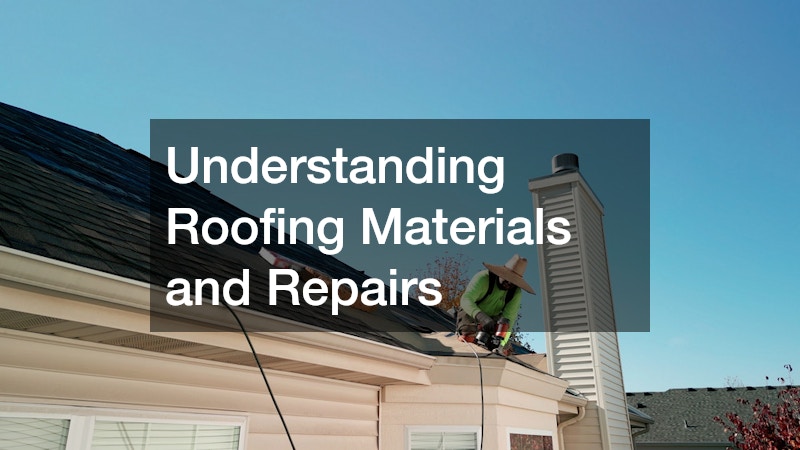
A roof is one of a property’s most important protective systems. Learning to recognize common signs of roof deterioration can help owners address issues before water enters the building.
Inspect accessible areas for missing or damaged materials, cracked flashing, deteriorated sealants, sagging areas, water stains, and other warning signs. Interior attic inspections can also reveal moisture or ventilation concerns.
Different roofing materials require different maintenance approaches. Rubber roofing, for example, has characteristics that differ from asphalt shingles, metal roofing, tile, and other systems. Property owners working with this type of roof may need a rubber roofer when specialized installation, membrane repair, or more extensive work is required.
Roof work presents substantial fall hazards. Routine visual inspections from safe locations are one thing; climbing onto a roof to perform repairs is another. Professionals with appropriate safety equipment and training should handle hazardous or complex roofing work.
Maintaining Recreational Areas
Properties with pools require another layer of practical maintenance knowledge. Owners should understand water chemistry, filtration, cleaning, circulation, and basic equipment operation.
Routine inspections can identify low water levels, unusual pump sounds, cloudy water, damaged fittings, or other signs that something needs attention. Maintaining appropriate chemical levels and keeping filters clean can help support proper operation.
More involved projects, such as installing or substantially remodeling a pool, require specialized planning. Professional pool builders can address structural requirements, plumbing, electrical systems, drainage, permits, and other considerations that extend beyond routine maintenance.
Hands-on knowledge still has value even when professionals perform the work. Owners who understand basic pool components can recognize maintenance needs, ask informed questions, and follow recommended service schedules.
Caring for Vehicles and Exterior Equipment
Many properties depend on vehicles and equipment for transportation, landscaping, construction, or other activities. Basic mechanical skills can help owners handle inspections and routine maintenance.
Learning how to check fluid levels, inspect belts and hoses, maintain batteries, replace appropriate filters, and identify unusual sounds can improve equipment awareness. Maintenance records can also help determine when scheduled service is due.
Vehicle appearance provides another area where hands-on skills can be useful. Minor dents and body damage may sometimes be addressed using specialized techniques. Paintless dent repair, for example, is designed to remove certain dents without traditional body filler and repainting. The technique requires specialized knowledge and tools, so larger or complicated damage is generally better handled by trained technicians.
Understanding the limits of DIY work is important. A minor cosmetic repair is very different from structural damage affecting a vehicle’s safety systems.
Knowing How to Work Around Heavy Machinery
Some properties require equipment capable of moving or lifting extremely heavy materials. Cranes, loaders, tractors, excavators, and other machinery can dramatically increase productivity, but they also introduce substantial risks.
Property owners should understand basic equipment capacities, ground conditions, load requirements, clearance concerns, and exclusion zones. Heavy equipment should never be operated casually simply because it is available.
Crane operations are a particularly important example. Crane services may be required for moving large structures, construction materials, machinery, trees, or other heavy objects. Proper planning includes evaluating the load, equipment capacity, placement, overhead hazards, ground stability, and weather conditions.
Operating or working around heavy lifting equipment requires appropriate training and adherence to applicable safety requirements. Hiring qualified operators and contractors is often the safest choice for complex lifting work.
Understanding Engines and Power Equipment
Diesel-powered machinery can be especially valuable on larger properties. Tractors, generators, commercial vehicles, construction equipment, and other machines may depend on diesel engines.
Developing basic engine knowledge helps owners recognize common warning signs. Changes in exhaust, starting difficulty, unusual noises, fluid leaks, overheating, and loss of power can indicate maintenance or mechanical problems.
Routine service should follow the manufacturer’s recommendations. Oil, filters, cooling systems, fuel systems, belts, and other components require appropriate inspection and replacement schedules.
When an engine has suffered significant wear or damage, replacement does not always mean purchasing an entirely new machine. Remanufactured diesel engines can provide an alternative in some applications. These engines are rebuilt according to specific processes and should be evaluated based on compatibility, warranty terms, specifications, and the reputation of the supplier.
Understanding these options allows property owners to make better decisions when expensive equipment develops major mechanical problems.
Preparing for Animal-Related Emergencies
Property management can sometimes involve animals, particularly on rural properties, farms, or homes with multiple pets. Basic animal-care knowledge can help owners recognize when an issue needs immediate attention.
Owners should know how to identify signs of distress, injury, poisoning, breathing problems, severe bleeding, or other urgent conditions. Having contact information for an appropriate veterinary provider readily available is a useful part of emergency planning.
Emergency vets can provide urgent evaluation when an animal experiences a serious or unexpected problem outside routine care. Property owners should not attempt complicated medical procedures simply because they have basic first-aid knowledge. Instead, basic skills should focus on recognizing emergencies, keeping the animal safe during transport, and contacting qualified veterinary professionals.
Creating a Practical Maintenance Schedule
Hands-on skills become more valuable when they are supported by organization. A maintenance calendar can help property owners keep track of recurring inspections and service requirements.
Monthly tasks might include checking plumbing fixtures, inspecting gutters, examining outdoor equipment, testing safety systems, and looking for signs of water intrusion. Seasonal tasks may include preparing pools, inspecting roofs, servicing landscaping equipment, and preparing vehicles for changing weather.
Larger annual tasks can include professional inspections, equipment servicing, structural evaluations, and major repairs. Keeping receipts, service records, equipment manuals, and warranty information in one location can simplify future maintenance decisions.
A written inventory can also identify every major system on the property. Include model numbers, installation dates, maintenance intervals, replacement parts, and service contacts when available.
Knowing When Professional Help Is Necessary
Practical skills are not about doing everything yourself. In many situations, the most valuable skill is recognizing when professional assistance is necessary.
Electrical work, major structural repairs, complex plumbing, hazardous roof work, heavy lifting, complicated engine repairs, and certain animal emergencies can exceed the safe capabilities of an inexperienced property owner.
Professional services also become valuable when a repair involves specialized diagnostic equipment or technical knowledge. Attempting to save money on an unfamiliar repair can ultimately cost more if the original problem becomes worse.
Property owners can still participate in the process by gathering information, documenting symptoms, understanding the equipment involved, and asking contractors for clear explanations of the proposed work.
Building Confidence Through Responsible Practice
Hands-on knowledge develops gradually. Start with simple maintenance tasks that have clear instructions and limited risks. As experience grows, property owners can take on more involved projects while continuing to respect safety limitations.
A useful approach is to learn one system at a time. Become familiar with plumbing before attempting complicated water-system work. Learn basic mechanical inspection before servicing sophisticated equipment. Understand roofing materials before deciding whether a roof issue can be safely addressed.
The objective is not to become a plumber, mechanic, roofer, technician, or heavy-equipment operator overnight. Instead, practical knowledge provides a foundation for making informed decisions.
A property owner with strong hands-on skills can spot developing problems, maintain equipment properly, communicate effectively with contractors, and respond more confidently when something goes wrong. Combined with appropriate professional assistance, those skills can make property ownership more manageable and help protect the buildings, equipment, vehicles, and outdoor spaces that require ongoing care.