

The modern labor market has undergone a significant transformation in recent years. While traditional four-year degree programs remain a standard path for many individuals, a growing number of professionals are discovering that focused, practical skills can serve as the foundation for highly lucrative and satisfying lifelong careers. Developing a personal capability into an independent profession requires more than just raw talent. It demands deliberate practice, structured education, business acumen, and an understanding of regulatory and market landscapes. Whether an individual is interested in specialized mechanical trades, personal care services, aviation, legal support, or fleet logistics, the journey from novice practitioner to industry professional follows a distinct set of principles.
Understanding how to translate hands-on knowledge into commercial value is a vital asset for job seekers, career changers, and prospective entrepreneurs. By taking a systematic approach to skill acquisition, gaining recognized credentials, and building a strong client base, workers can create durable career trajectories that withstand economic fluctuations. This guide explores the multi-faceted landscape of vocational, technical, and professional skill development, illustrating how specific competencies can be nurtured into flourishing career pathways.
Transportation and Aviation Fundamentals
Actionable Strategies for Mastering Driving and Fleet Operations
Vehicle operation is often viewed as a basic life skill, yet when elevated through advanced instruction and specialization, it becomes the backbone of multi-billion-dollar transportation and logistics industries. Mastering the principles of vehicle control, defensive driving, and transport management opens doors to careers ranging from commercial transport drivers to driving instructors and fleet directors. Beginners typically begin by engaging with foundational driver education, where they master the mechanics of vehicle control, traffic regulations, and risk assessment techniques. Expanding this knowledge base involves seeking out formal instruction through a local driving school to refine behind-the-wheel habits, understand vehicle dynamics under adverse conditions, and build the confidence necessary for high-mileage road environments.
To transition from a routine operator to a specialized professional in logistics, driver safety, or transport supervision, individuals must prioritize structured learning and compliance management:
-
Complete advanced certifications beyond standard licensing, such as commercial driver credentials or specialized endorsement programs.
-
Enroll in specialized courses offered by a recognized safety school to master federal transportation guidelines, hazard identification, and accident prevention protocols.
-
Develop a comprehensive understanding of vehicle maintenance, inspection routines, and fuel efficiency optimization techniques.
-
Practice active spatial awareness and stress management tactics required for navigating heavy congestion, urban delivery zones, and long-distance transport routes.
-
Track industry developments regarding clean fuel technologies, automated driver-assist features, and digital logbook software to remain competitive in modern logistics environments.
Flight Operations and Aviation Career Pathways
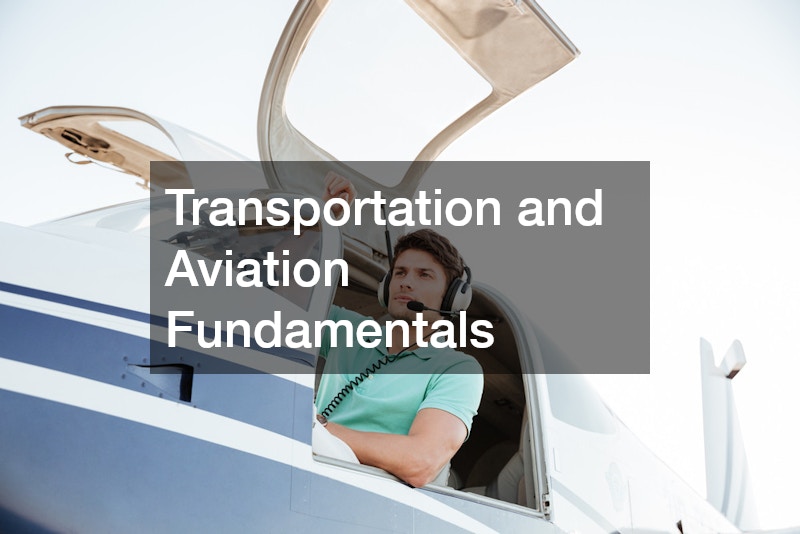
Aviation represents one of the most technical and rewarding skill-based sectors in the global economy. Transforming an interest in flight into a commercial career requires dedication, precision, and hundreds of hours of supervised flight experience. Prospective pilots and aviation management professionals must systematically progress through ground instruction, flight simulator training, and practical flight hours. Enrolling in accredited flight schools provides students with structured curricula covering aerodynamics, meteorology, air traffic control procedures, and navigational systems. The journey demands high visual-spatial intelligence, rapid decision-making abilities, and strict adherence to protocol.
To build a sustainable trajectory in aviation, aspiring pilots and flight instructors should follow clear operational milestones:
-
Log consistent flight hours under varying weather conditions and timeframes to build adaptable operational experience.
-
Prepare rigorously for written and practical examinations administered by aviation governance authorities.
-
Cultivate strong team communication skills to facilitate flawless interaction with ground crews, co-pilots, and air traffic controllers.
-
Pursue specialized ratings, such as multi-engine or instrument ratings, to qualify for commercial airline, cargo, or private charter positions.
Personal Care, Beauty, and Service Industries
Building Expertise in Personal Styling and Aesthetics
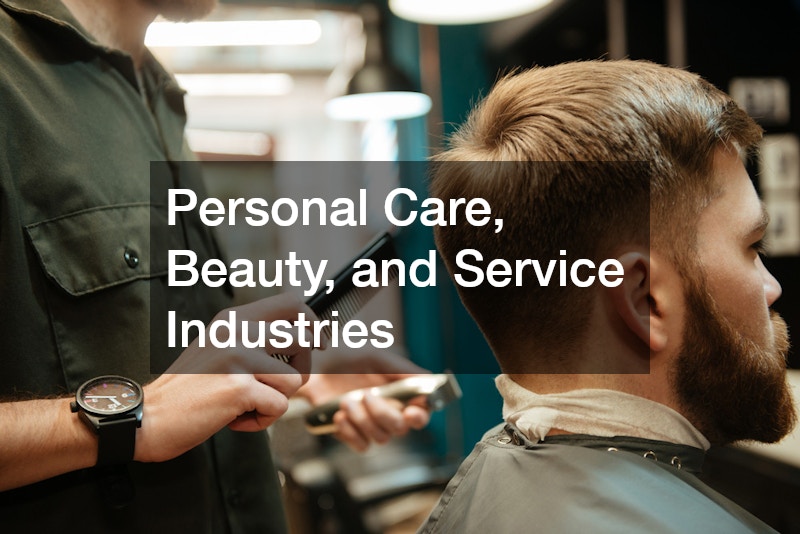
The personal care and personal grooming industry is driven by individual artistic skill, technical precision, and interpersonal relationship building. Individuals who possess an eye for style, color theory, and personal aesthetics can convert these creative passions into sustainable commercial endeavors. Enrolling in a comprehensive cosmetology school allows students to master the scientific foundations of hair, skin, and nail health alongside the practical application of cutting, coloring, and styling techniques. Furthermore, choosing specialized hair programs allows professionals to focus deeply on complex chemical treatments, hair restoration, precision cutting, and advanced styling trends.
Succeeding in the personal care sector requires blending technical artistry with sound client management practices:
-
Build a diverse physical and digital portfolio showcasing a wide variety of cuts, styles, color transformations, and aesthetic treatments.
-
Practice active listening during client consultations to accurately translate customer desires into satisfying aesthetic outcomes.
-
Master hygiene, sanitation, and chemical handling standards to protect client wellness and maintain regulatory compliance.
-
Learn basic salon management software, appointment scheduling, inventory control, and retail cross-selling techniques.
-
Establish a consistent social media presence to demonstrate technical expertise, showcase client transformations, and attract new clientele.
Animal Care Management and Service Facility Operations
Animal lovers can channel their compassion and physical handling skills into thriving operational businesses centered around pet care, grooming, and facility management. The demand for high-quality pet services has grown dramatically as pet ownership expands globally. Professionals entering this space must combine animal behavioral knowledge with facility maintenance, client communications, and health safety protocols. Offering high-quality pet boarding services requires establishing safe, clean, and engaging environments for animals while reassuring owners through transparent communication and professional care standards.
Building a reputable business in animal care and facility management involves several key operational steps:
-
Gain formal education or practical apprenticeships in animal behavior, basic veterinary first aid, and pet handling.
-
Design facility layouts that prioritize sanitation, secure containment, stress reduction, and adequate exercise areas.
-
Implement clear operational workflows for daily feedings, medication administration, exercise routines, and emergency protocols.
-
Invest in client-facing technology that enables online booking, daily photo updates, and seamless billing processes.
-
Secure appropriate business insurance, zoning permits, and health certifications to protect both the facility and its clients.
Technical Trades and Environmental Control Systems
Technical Mastery in Climate Control and Facility Management
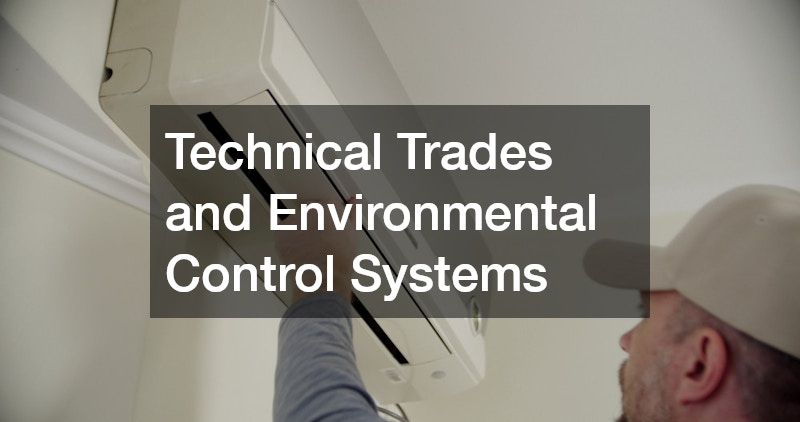
Technical trade skills offer some of the most resilient career pathways available today, as residential, commercial, and industrial structures rely continuously on complex mechanical systems. Individuals who enjoy hands-on problem-solving, electrical theory, and mechanical engineering can excel in environmental control and building infrastructure trades. Working alongside licensed HVAC contractors provides apprentices with direct exposure to system installation, refrigerant handling, diagnostic troubleshooting, and energy efficiency optimization. As smart building technologies and green energy regulations evolve, skilled technicians must continuously update their knowledge base to remain in high demand.
To progress from an entry-level technician to a master mechanic or independent contractor, trade professionals should adopt systematic development practices:
-
Complete formal apprenticeship programs that combine structured classroom learning with thousands of hours of paid, hands-on field experience.
-
Obtain mandatory environmental protection certifications for handling hazardous refrigerants and industrial chemicals safely.
-
Develop proficiency in reading complex engineering schematics, electrical wiring diagrams, and architectural blueprints.
-
Cultivate diagnostic capabilities using modern digital testing tools, airflow meters, and thermal imaging equipment.
-
Master customer service skills to explain technical issues clearly, provide accurate repair estimates, and build client trust during service calls.
Specialized Legal Support and Legal Advocacy
Operational Excellence in Financial Risk and Judicial Support
The legal and judicial ecosystem relies on a wide array of specialized support professionals who ensure that judicial processes function efficiently and ethically. Individuals with strong risk assessment skills, financial literacy, and an understanding of criminal justice procedures can establish rewarding careers in legal administration and financial underwriting. Operating as a licensed bondsman involves evaluating financial risk, understanding statutory bail requirements, and managing contractual obligations between defendants and the judicial system. This career path requires a balance of firm boundary enforcement, risk mitigation, and ethical responsibility.
Establishing a professional standing within judicial support services requires adhering to operational guidelines:
-
Acquire state-specific legal licenses by passing comprehensive examinations on criminal procedure, contract law, and ethical conduct.
-
Establish rigorous background verification and risk-assessment frameworks for evaluating client eligibility and financial collateral.
-
Maintain transparent financial ledgers, trust accounts, and detailed documentation to satisfy judicial auditing standards.
-
Build collaborative, respectful working relationships with court clerks, legal counsel, law enforcement officers, and facility administrators.
-
Develop emergency response and recovery protocols that comply fully with local, state, and federal law enforcement standards.
Legal Representation and Commercial Vehicle Litigation
Pursuing a career as a specialized legal practitioner requires a deep commitment to academic rigor, critical analysis, and advocacy. Within the broader legal field, specializing in complex transportation disputes and personal injury law allows attorneys to address high-stakes disputes involving commercial carriers. Functioning as a semi-truck accident law attorney requires mastering complex federal motor carrier safety regulations, forensic accident reconstruction principles, medical testimony analysis, and corporate liability law. Practitioners in this field must dissect intricate data streams from commercial vehicle black boxes, driver logbooks, and maintenance records to represent their clients effectively.
Building a specialized legal practice around commercial vehicle law involves structured preparation and ongoing professional development:
-
Complete a rigorous legal education, pass state bar examinations, and seek specialized trial advocacy training programs.
-
Study federal and state commercial motor vehicle regulations, weight restrictions, and electronic logging device mandates.
-
Collaborate with forensic accident reconstruction experts, biomechanical engineers, and medical professionals to analyze complex collisions.
-
Refine oral advocacy and written deposition techniques to effectively present evidence in negotiation settings and courtrooms.
-
Maintain ethical standards while advocating zealously for injured parties or defending transportation entities against unfounded claims.
Universal Skills for Career Acceleration
Cultivating Business Literacy and Financial Management
Regardless of the specific technical or vocational field an individual chooses, developing broad business literacy is essential for transforming a skill into a sustainable, long-term career. A skilled craftsperson, artist, or technician who lacks financial management capabilities will struggle to achieve independence or build a growing enterprise. Business literacy encompasses budgeting, pricing strategies, tax compliance, marketing, and operational efficiency.
To ensure long-term commercial success, skilled professionals must actively nurture core business competencies:
-
Establish clear financial tracking systems to monitor cash flow, operating overhead, profit margins, and capital reinvestment funds.
-
Conduct thorough market research to price services competitively while reflecting the true value of specialized labor and materials.
-
Create formal business structures, such as limited liability companies, to protect personal assets and establish commercial credibility.
-
Implement effective digital marketing campaigns to build brand visibility across local consumer demographics and professional networks.
-
Form strategic partnerships with accountants, legal advisors, and insurance agents to safeguard business health and compliance.
Developing Communication and Client Relationship Management
Technical capability opens doors, but interpersonal communication and relationship management dictate how far an individual can advance. Whether interacting with individual consumers, corporate stakeholders, or team members, clear and empathetic communication builds trust, reduces conflict, and generates repeat business. Active listening, emotional intelligence, and persuasive negotiation are universally applicable soft skills that elevate practical expertise.
Practicing key communication strategies daily enhances professional reputation and client retention:
-
Set clear expectations regarding project timelines, costs, and deliverables prior to commencing work.
-
Handle customer complaints promptly and professionally, focusing on collaborative solutions rather than defensive responses.
-
Draft clear, concise, and grammatically sound written communications, including proposals, invoices, and service agreements.
-
Tailor technical explanations to match the audience’s level of understanding, avoiding overly dense jargon when speaking with lay clients.
-
Seek out formal training or mentorship in negotiation and public speaking to build confidence in high-stakes professional settings.
Long-Term Career Longevity and Continuous Learning
Adapting to Market Demands and Technology Integration
The velocity of technological innovation means that no professional field remains static. Technical trades, personal services, transportation, and legal professions are constantly altered by automation, digital platforms, new materials, and changing consumer expectations. Professionals who view learning as a lifelong endeavor are best equipped to navigate market disruptions and maintain career longevity.
Implementing proactive habits ensures that skills remain modern and commercially valuable:
-
Dedicate time annually to attend industry conventions, trade shows, seminars, and technical workshops.
-
Monitor emerging software applications, artificial intelligence tools, and automation hardware relevant to your specific trade or industry.
-
Pursue advanced certifications and voluntary industry designations that signal specialized mastery to potential employers and clients.
-
Network actively with peers, professional associations, and industry thought leaders to stay informed about regulatory changes and economic trends.
-
Diversify service offerings to buffer against seasonal slowdowns or localized economic downturns.
Moving from an initial learning phase to an established leadership position in any industry requires patience, discipline, and strategic focus. Beginners must be willing to invest time in foundational learning, tolerate initial mistakes, and seek out guidance from experienced mentors. As competence increases, the focus shifts toward refining efficiency, expanding professional networks, and taking on greater operational responsibility.
Ultimately, turning a practical skill into a rewarding career is a multi-stage evolution. By combining structured training, rigorous licensing, strong business fundamentals, and an unwavering commitment to quality service, individuals can forge their own paths to financial independence and professional fulfillment. The modern economy values individuals who can deliver tangible results, solve real-world problems, and adapt to changing environments. By identifying a capability that aligns with personal interests and investing in its systematic development, anyone can build a meaningful and lasting career.